 Albanien
 Argentinien
 Australien
 Belgien
 Bosnien und Herzegowina
 Brasilien
 Bulgarien
 Chile
Chile
 Deutschland
 Dänemark
 Estland
 Finnland
 Frankreich
 Griechenland
 Großbritannien
 Irland
 Italien
 Kanada
 Kolumbien
 Kroatien
 Lettland
 Litauen
 Luxemburg
 Mexiko
 Moldawien
 Montenegro
 Neuseeland
 Niederlande
 Nordmazedonien
 Norwegen
 Philippinen
 Polen
Polen
 Portugal
 Rumänien
 Schweden
 Schweiz
 Serbien
 Slowakei
 Slowenien
 Spanien
 Südafrika
 Tschechien
 Türkei
 Ukraine
 Ungarn
 Vereinigte Staaten von Amerika
 Österreich







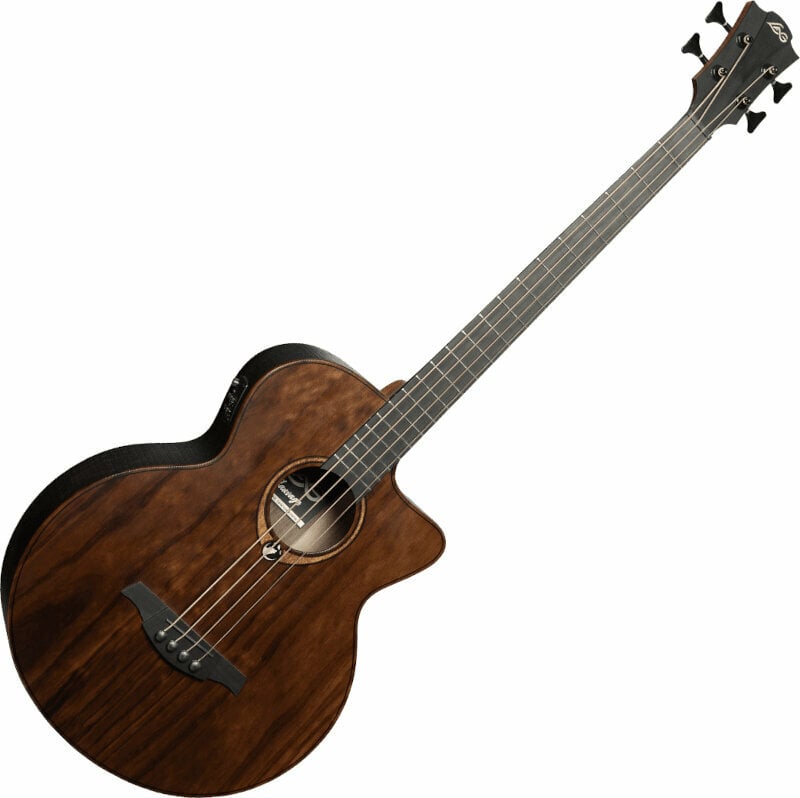
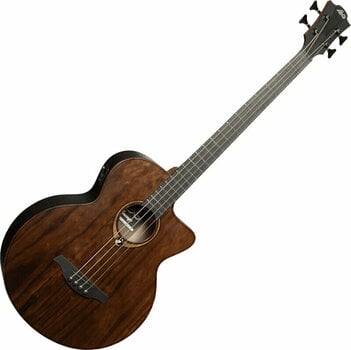
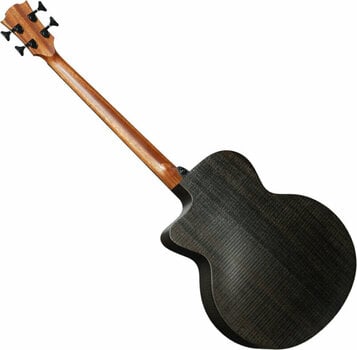
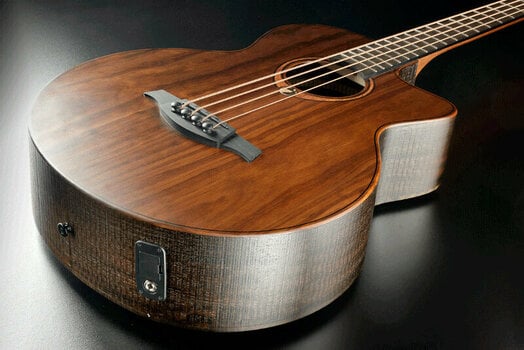
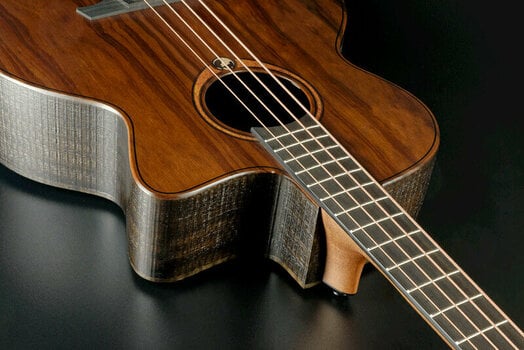
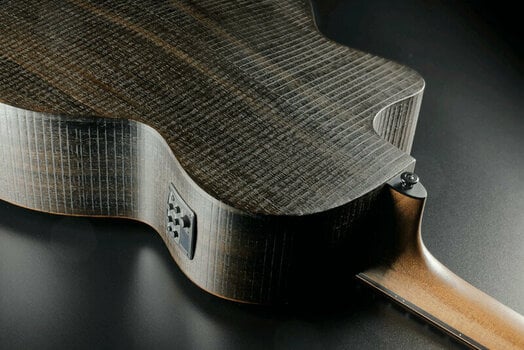
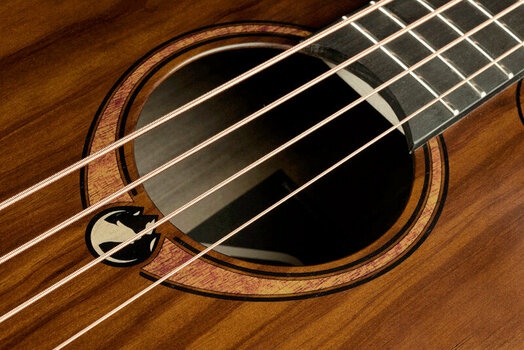
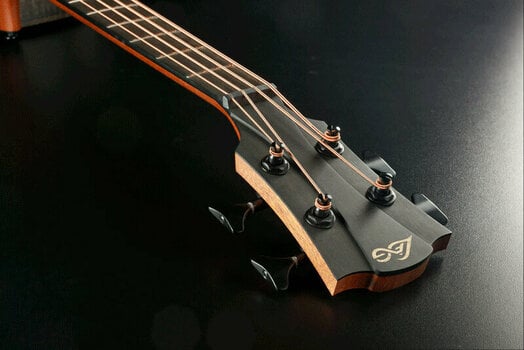
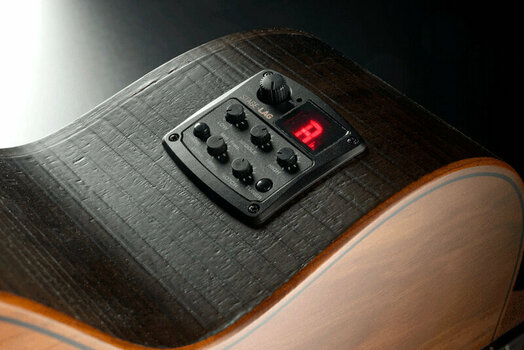
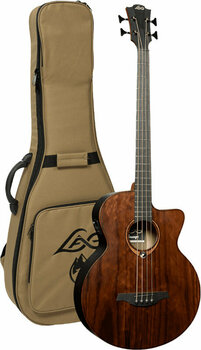
- Tonabnehmer: Piezo
- Boden und Zargen: Smoked Eucalyptus
- Decke: Pale BrankoWood
- Hals: Khaya
- Griffbrett: Black Brankowood
- Elektronik: Stage-Lag system
LAG Sauvage BCE Natural Akustik Bass
Dies ist eine automatische Übersetzung durch eine Software:
Sauvage-Gitarren setzen die Innovationstradition von Lâg fort und bestehen aus FSC-zertifiziertem Brankoholz und einem neu entwickelten umweltfreundlichen Lackierverfahren, um die Umweltbelastung zu minimieren. Die Sauvage-Serie verfügt über das ikonische französische Lâg-Kopfplattendesign sowie eine spezifische raue Holzstruktur auf der Rückseite und den Zargen, die den Charakter der Gitarre widerspiegelt – ein robuster musikalischer Begleiter, bereit für Abenteuer. Der abgerundete Boden der Sauvage-Serie erzeugt einen unübertroffenen vollen Klang, und wie zu erwarten ist, wird jede Sauvage-Gitarre mit einem stabilen Koffer geliefert.
Dieser Akustikbass hat einen soliden, vollen Basston und verfügt wie alle Modelle der Sauvage-Serie mit Elektronik über eine Aussparung im unteren Korpus für besseren Zugang zu den hohen Griffbrettpositionen. Es verfügt über ein hochentwickeltes StageLâg-Vorverstärkersystem, das die Klangkontrolle und -verstärkung verbessert und es sowohl für die Bühne als auch für das Studio geeignet macht.
Dies ist eine automatische Übersetzung durch eine Software:
LAG Sauvage BCE – Umweltfreundlicher elektroakustischer Bass mit StageLâg-Elektronik
Der LAG Sauvage BCE ist ein akusto-elektrischer Bass mit Jumbo-Korpus und Cutaway, der Lâgs Nachhaltigkeitskonzept „Green Guitars“ in den Bassbereich überträgt. Dieser 4-saitige Akustikbass mit einer Decke aus FSC-zertifiziertem Pale BrankoWood sowie Boden und Zargen aus geräuchertem Eukalyptusholz liefert den vollen, holzigen Klang, den Fingerstyle- und Unplugged-Bassisten suchen, während das StageLâg-Vorverstärkersystem das Signal für den Einsatz auf der Bühne und im Studio optimal aufbereitet. Der LAG Sauvage BCE wird mit einer gepolsterten Gigbag-Tasche und Bronzesaiten geliefert, sodass er vom ersten Auspacken an einsatzbereit ist.
Besondere Merkmale des Sauvage BCE
Was dieses Modell von typischen Akustikbässen unterscheidet, ist die Verwendung von tropenbehandeltem BrankoWood – einer schnellwachsenden Kiefer, die mit natürlichen Harzen behandelt wurde, um die Dichte zu regulieren und Feuchtigkeitsschwankungen zu widerstehen –, gepaart mit einem Boden und Zargen aus geräuchertem Eukalyptusholz, die mit einer rautgesägten Textur versehen sind, wodurch der Schleifvorgang vollständig entfällt. Das abgerundete Bodenprofil der Sauvage-Serie wurde entwickelt, um einen volleren Bassbereich zu erzeugen als ein Akustikbass mit flachem Boden, und der ikonische französische Lâg-Kopf verbindet das Design mit der Tradition der Marke.
Korpus & Tonhölzer – Akustischer Klang
Der Korpus ist der Ort, an dem der Charakter des Sauvage BCE zum Leben erwacht, und die Auswahl der Tonhölzer spiegelt sowohl die akustische Leistung als auch die Verantwortung gegenüber der Umwelt wider. Helles BrankoWood auf der Decke sorgt für eine stabile, resonante Oberfläche, während geräucherter Eukalyptus auf Boden und Zargen Wärme und optische Tiefe verleiht.
- Decke: Helles BrankoWood – FSC-zertifizierte, tropisch behandelte Kieferndecke mit kontrollierter Dichte für eine ausgewogene, resonante Ansprache
- Boden und Zargen: Geräuchertes Eukalyptusholz mit rohsägem Finish — Tonholz aus einer invasiven Art mit einer rohen, gesägten Textur, die Schleifabfälle reduziert
- Steg: Schwarzes Brankowood — passt zum Griffbrett und sorgt so für ein einheitliches Erscheinungsbild sowie eine stabile Saitenübertragung
- Oberfläche: Satin — eine mattglänzende Beschichtung, die den Korpus frei schwingen lässt
Hals & Spielbarkeit — Für Bassisten entwickelt
Ein Akustikbass braucht einen Hals, der sich für E-Bassisten vertraut anfühlt, und der Sauvage BCE orientiert sich in seiner Geometrie eng am Standard-Bass. Der Khaya-Hals gehört zur Mahagoni-Familie und bietet einen stabilen, bequemen Griff für lange Sessions.
- Hals: Khaya — Holz aus der Mahagoni-Familie für ein stabiles, angenehmes Spielgefühl
- Mensur: 822 mm — Bassspannung mit langer Mensur für einen definierten, artikulierten Bassbereich
- Sattelbreite: 42 mm — komfortabler Abstand für die 4-saitige Bass-Technik
- Griffbrettradius: 350 mm — moderne, leicht gewölbte Oberfläche für flüssiges Akkord- und Solospiel
- Bünde: 20 Medium Silver Nickel — strapazierfähiger Bunddraht mit vertrautem Spielgefühl
- Halsstange: Dual-Action — Zwei-Wege-Verstellung für präzise Halsausrichtung bei wechselnden klimatischen Bedingungen
Elektronik & Hardware — Bühnenreife Signalübertragung
Der StageLâg-Vorverstärker macht die Sauvage BCE zu einem Bühneninstrument mit einer Regleranordnung, die die gängigsten Einstellmöglichkeiten für den Bühnenbetrieb abdeckt, ohne das Layout unnötig zu verkomplizieren. Druckguss-Stimmmechaniken und ein schwarzer Graphit-Sattel sorgen für stabile Stimmung auch bei langen Auftritten.
- Tonabnehmer: Piezo — Unter-Sattel-Tonabnehmer, der den natürlichen Klang des Akustikkorpus einfängt
- Vorverstärker: StageLâg-System — Lautstärke, 3-Band-EQ, Phasenregler, Notch-Filter und integriertes Stimmgerät
- Stimmmechaniken: Druckguss — präzise, stabile Stimmung für Live-Auftritte
- Sattel: Schwarzer Graphit-Keil — selbstschmierender Sattel, der die Stimmstabilität verbessert
- Saiten: Bronze Bass 40–95 — Akustikbass-Saitensatz für einen warmen, holzigen Klang
- Hardware: Schwarz — dezente Oberfläche, die die natürliche Korpusfarbe ergänzt
Für wen ist der Sauvage BCE gedacht?
Die LAG Sauvage BCE ist die richtige Wahl für Bassisten, die einen akustisch-elektrischen Bass suchen, der sich gut transportieren lässt, unplugged voll klingt und ohne zusätzliches Equipment in ein Bühnen-Rig passt. Singer-Songwriter, die einen warmen, holzigen Bassbereich als Grundlage für ein Akustik-Set benötigen, werden die Klangprojektion des Jumbo-Korpus zu schätzen wissen, während Live-Musiker vom Cutaway für Melodielinien in den höheren Bünden und vom StageLâg-Vorverstärker für eine schnelle Klanggestaltung zwischen den Songs profitieren. Studiomusiker, die nach einer nachhaltigen Alternative zu traditionellen Palisander- oder Mahagoni-Bässen suchen, werden die Kombination aus FSC-zertifiziertem BrankoWood und geräuchertem Eukalyptusholz als überzeugende, charaktervolle Option empfinden. Auch Spieler, die von einem akustischen Anfängerbass umsteigen, werden sich dank der vertrauten Mensur von 822 mm und der Sattelbreite von 42 mm schnell zurechtfinden.
Die Geschichte der Lâg Sauvage – Das Erbe von Green Guitars
Lâg Guitars ist ein französischer Gitarrenhersteller mit einer mehr als vier Jahrzehnte langen Geschichte, und die Sauvage-Serie bildet das Herzstück seiner „Green Guitars“-Initiative. Durch die Verwendung von FSC-zertifiziertem BrankoWood, geräuchertem Eukalyptusholz aus nachhaltiger Bewirtschaftung und einem umweltfreundlichen Lackierverfahren hat Lâg die Sauvage-Serie so konzipiert, dass die Umweltbelastung reduziert wird, ohne dabei die Spielbarkeit und den Klang zu beeinträchtigen, für die die Marke bekannt ist. Die Serie ist nach ihrer robusten, rohen Ästhetik benannt – „sauvage“ bedeutet auf Französisch „wild“ – und die grob gesägte Oberfläche auf Boden und Zargen spiegelt diese Philosophie wider. Künstler wie Phil Campbell von Motörhead haben bereits auf Lâg-Instrumenten gespielt, und das ikonische französische Kopfplatten-Design bleibt ein charakteristisches Merkmal der gesamten Serie.


Typ
Saitenanzahl
Stimmechaniken
Regler
Tuner
Halsstabschlüssel
Händigkeit
Ausschnitt (Cutaway)
Tonabnehmer
Anzahl der Bünde
Elektronik
Steg/Tremolo
Stärke
Sattel
Gurtgriff
Farbe laut Hersteller
Natural
Finish
Boden und Zargen
Decke
Hals
Halsfinish
Griffbrett
Konstruktion
Halsstab
Packungsinhalt
Griffbrett-Radius
Größe der Bünde
Mensur (mm)
Sattelbreite (mm)


Dokumente
Gebrauchsanweisungen
Herstellerinformationen
Sicherheitshinweise
Die entsprechenden Sicherheitshinweise für dieses Produkt findest du im Benutzerhandbuch.


