 Albanien
 Argentinien
 Australien
 Belgien
 Bosnien und Herzegowina
 Brasilien
 Bulgarien
 Chile
Chile
 Deutschland
 Dänemark
 Estland
 Finnland
 Frankreich
 Griechenland
 Großbritannien
 Irland
 Italien
 Kanada
 Kolumbien
 Kroatien
 Lettland
 Litauen
 Luxemburg
 Mexiko
 Moldawien
 Montenegro
 Neuseeland
 Niederlande
 Nordmazedonien
 Norwegen
 Philippinen
 Polen
Polen
 Portugal
 Rumänien
 Schweden
 Schweiz
 Serbien
 Slowakei
 Slowenien
 Spanien
 Südafrika
 Tschechien
 Türkei
 Ukraine
 Ungarn
 Vereinigte Staaten von Amerika
 Österreich







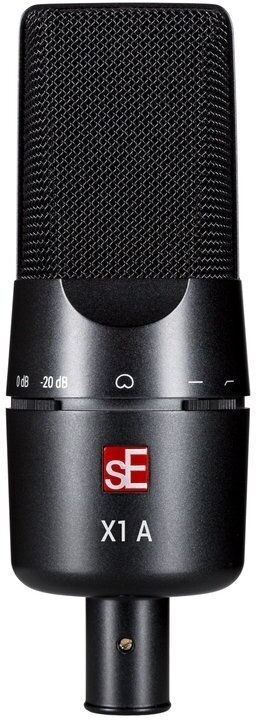
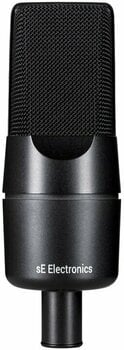
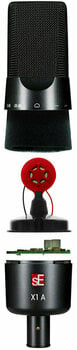
- Anwendung: Instrumente, Studio, Vokale
- Charakteristik: Cardioid
- Frequenzbereich: 20 Hz - 20 kHz
- Impedanz: 50 Ohm
- Schalldruckpegel (SPL): 130 dB, 150 dB
- Empfindlichkeit: 20 mV
sE Electronics X1 A Kondensator Studiomikrofon
Dies ist eine automatische Übersetzung durch eine Software:
Mit einer Kondensatorkapsel und einem Äußeren, das auf dem robusten Metallgehäuse des X1 basiert, bietet der X1 A erstklassigen Sound und erstklassige Spezifikationen zu noch besseren "Heimstudio" -Kosten mit einem extrem natürlichen Frequenzgang und massiven SPL-Handhabungsfähigkeiten ( 150dB!), Umschaltbare Dämpfungs- und Low-Cut-Filter sowie ein perfekt ausbalanciertes Empfindlichkeitsniveau - so ist es an absolut jeder Quelle zu Hause.
Von Gesang über akustische Instrumente bis hin zu E-Gitarren oder Percussion ist das X1 A die perfekte Wahl für jeden Musiker, der ein hochwertiges Mikrofon mit einem Einstiegspreis sucht. Im Gegensatz zu den billig konstruierten Karosserien einiger anderer "Einstiegs" -Mikrofone bietet das Ganzmetallgehäuse des X1 A eine effiziente Unterdrückung von elektrischen Störungen und Geräuschen - und das hochwertige Finish sorgt für ein großartiges Aussehen über Jahre hinweg.
Das Design der Kondensatorkapsel von X1 A ist ein Kunstwerk, das auf jeder Quelle eine hervorragende Schallleistung mit unglaublicher Geschwindigkeit, Genauigkeit und ausgewogenem Frequenzgang liefert.
Die Elektronik wurde ebenfalls komplett überarbeitet und weist auf und neben dem Prüfstand bessere Spezifikationen und einen besseren Klang auf als jedes andere Mikrofon seiner Klasse.
Dies ist eine automatische Übersetzung durch eine Software:
Studio-Kondensatormikrofon für Gesang, Instrumente und Projektstudios
Das sE Electronics X1 A wurde speziell für Projektstudios, Schlafzimmer-Produzenten und Heimaufnahmen entwickelt und ist ein Großmembran-Kondensatormikrofon mit einer neu entwickelten Back-Electret-Kapsel. Es bietet einen ausgewogenen Frequenzgang für Gesang, Akustikgitarre, Drum-Overheads und verstärkte Instrumente. Eine Nierencharakteristik konzentriert sich auf die Schallquelle und filtert gleichzeitig Raumklang aus der Aufnahme heraus. Dieses Modell ist die richtige Wahl für alle, die ein einziges Allround-Kondensatormikrofon suchen, das während einer gesamten Session eine gute Leistung erbringt.
Was dieses Mikrofon im Einsteigerbereich auszeichnet
Zwei am Gehäuse angebrachte Schalter bieten eine Flexibilität, die die meisten Kondensatormikrofone in dieser Preisklasse nicht bieten. Der -20-dB-Pad erweitert den Dynamikbereich für nah abgenommene Gitarrenboxen, Blechblasinstrumente und Kick-Drums, während der 100-Hz-Tiefpassfilter mit 6 dB pro Oktave Brummgeräusche und den Nahbesprechungseffekt unterdrückt. Ein in den Kopfkorb integrierter Windschutz macht bei den meisten Gesangsaufnahmen einen separaten Poppschutz überflüssig, und der vergoldete 3-polige XLR-Stecker sorgt für einen stabilen Signalweg über Jahre hinweg.
Kapseldesign und Richtcharakteristik – Details kontrolliert einfangen
Das Design kombiniert eine 2/3“-Back-Elektret-Kapsel mit einer festen Nierencharakteristik, die Details auf der Achse priorisiert. Die Ausblendung seitlicher und hinterer Schallquellen durch die Nierencharakteristik hilft dabei, eine einzelne Quelle in unbehandelten Räumen zu isolieren – genau dort, wo die meisten Heimaufnahmen entstehen. Feste Richtcharakteristiken bedeuten, dass keine komplexen Mehrfachmuster eingestellt werden müssen – einfach ausrichten, den Pegel einstellen und aufnehmen.
- Die 2/3"-Back-Electret-Kondensatorkapsel erfasst Transienten schnell und präzise.
- Richtcharakteristik: Niere – konzentriert sich auf die Schallquelle und unterdrückt gleichzeitig Raumgeräusche
Maximaler Schalldruckpegel und Dynamikbereich – laute Quellen ohne Verzerrung
Headroom ist entscheidend, wenn ein Mikrofon aus nächster Nähe auf eine Snare-Drum, eine laute Gitarrenbox oder eine Bläsersektion gerichtet ist. Bei aktiviertem -20-dB-Pad verträgt das sE Electronics X1 A bis zu 150 dB SPL bei 0,5 % THD und bietet damit reichlich Spielraum für die lautesten Quellen in einer typischen Session. Der Dynamikbereich reicht von 114 dB ohne Pad bis zu 134 dB bei aktiviertem Pad, sodass sowohl leises Flüstern als auch laute Spitzen deutlich über dem Rauschpegel liegen.
- Max. SPL: 130 / 150 dB (0 / 20 dB Pad, 0,5 % THD bei 1 kHz)
- Dynamikbereich: 114 / 134 dB (0 / 20 dB Dämpfungs-Pad)
- Der äquivalente Rauschpegel beträgt 16 dB (A-bewertet), wodurch das Mikrofon leise genug für intime Gesangsaufnahmen und akustische Quellen ist.
Frequenzgang, Stromversorgung und Bauweise
Mit einem Frequenzgang von 20 Hz bis 20 kHz ist der Frequenzgang ausgewogen und weniger kopflastig als bei vielen Konkurrenzmodellen in dieser Preisklasse. Das Mikrofon wird mit standardmäßiger 48-V-Phantomspeisung (P48 gemäß IEC 61938) betrieben und nimmt nur 4,0 mA auf, sodass es sich problemlos mit jedem Audio-Interface oder Mischpult kombinieren lässt. Das vollständig aus Metall gefertigte Gehäuse schützt vor elektrischen Störungen, und der mitgelieferte schwenkbare Mikrofonclip sowie der Gewindeadapter passen direkt aus der Verpackung heraus auf gängige Mikrofonständer.
- Frequenzbereich: 20 Hz – 20 kHz — deckt das gesamte hörbare Spektrum mit einer ausgewogenen, unaufgebauschten Frequenzgangkurve ab
- Empfindlichkeit: 20 mV/Pa (-34 dBV)
- Stromversorgung: 48 V Phantomspeisung (P48, IEC 61938), Stromaufnahme 4,0 mA — funktioniert mit jedem Interface oder Mischpult, das Phantomspeisung bereitstellt
- Anschlüsse: 3-poliger XLR-Stecker, vergoldet
- Abmessungen und Gewicht: 58 mm × 169 mm, 390 g — leicht genug für Mikrofonarme, stabil genug für Tischständer
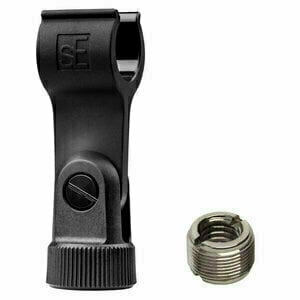
- Lieferumfang: Mikrofon, schwenkbare Mikrofonklemme (Halterung), Gewindeadapter für Mikrofonständer
Für wen ist dieses Mikrofon geeignet?
Heimaufnahmen-Fans, Projektstudio-Toningenieure, Podcaster und Singer-Songwriter werden feststellen, dass dieses Mikrofon Gesang, Akustikgitarre, Drum-Overheads und verstärkte Instrumente kompromisslos wiedergibt. Dank umschaltbarer Dämpfungs- und Filterregler eignet es sich gleichermaßen für laute, nah abgenommene Klangquellen wie auch für leise akustische Aufnahmen. Anfänger profitieren von der unempfindlichen Nierencharakteristik und dem integrierten Windschutz, während erfahrene Toningenieure das geringe Eigenrauschen und den hohen SPL-Headroom in dieser Preisklasse schätzen. Kombinieren Sie es mit einer Stoßdämpferhalterung und einem einfachen Audio-Interface für ein komplettes Aufnahme-Setup.
Die X1-Serie – eine Neugestaltung aus dem Jahr 2010, die nach wie vor Maßstäbe setzt
Als die Marke 2010 die Originalversion auf den Markt brachte, definierte sie neu, wie ein erschwingliches Großmembran-Kondensatormikrofon klingen kann, und konkurrierte damit mit Mikrofonen, die ein Vielfaches kosteten. Dieses Modell setzt diese Tradition fort – mit einem neuen akustischen Design, einer verbesserten Kapsel und Elektronik sowie dem gleichen robusten Metallgehäuse wie die übrigen Modelle der X1-Serie.

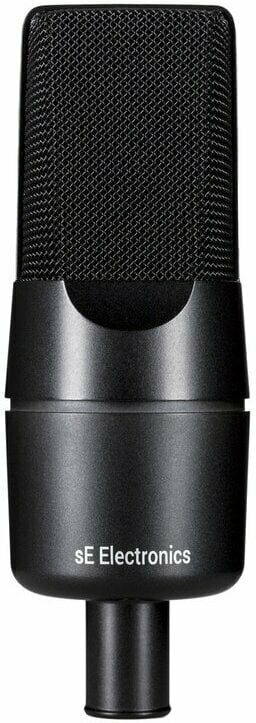
Charakteristik: Cardioid
Das Nieren-Richtmikrofon ist so konzipiert, dass es am empfindlichsten auf Geräusche reagiert, die direkt von vorne kommen, und weniger empfindlich auf Geräusche, die von den Seiten und von hinten kommen. Dieses Richtmuster ähnelt der Form eines Herzens (daher der Name „Niere“) und ist ideal für Situationen, in denen es notwendig ist, sich auf eine einzelne Tonquelle zu konzentrieren und Umgebungsgeräusche zu minimieren.
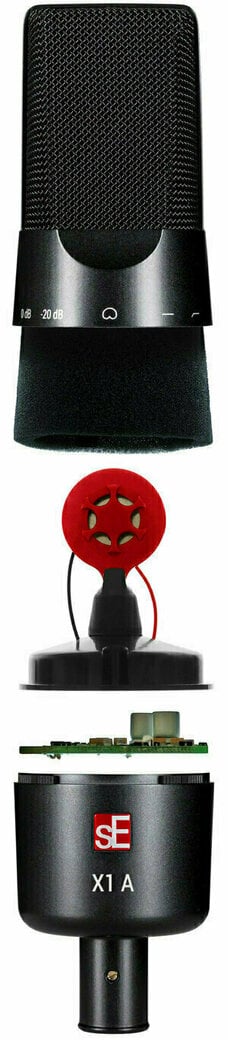
Frequenzbereich: 20 Hz - 20 kHz
Der Frequenzgang des 20 Hz - 20 kHz bietet einen ausreichend großen Bereich, um alle feinen musikalischen und klanglichen Details zu erfassen.

Anwendung
Kapseltyp
Frequenzbereich
Impedanz
Signal-Rausch-Verhältnis
78 dB
Filter
High Pass
Produktkonfiguration
Standardangebot
Packungsinhalt
Halter
Gewicht
Hergestellt in
China


Dokumente
Gebrauchsanweisungen
Herstellerinformationen
Sicherheitshinweise
Die entsprechenden Sicherheitshinweise für dieses Produkt findest du im Benutzerhandbuch.