 Albanien
 Argentinien
 Australien
 Belgien
 Bosnien und Herzegowina
 Brasilien
 Bulgarien
 Chile
Chile
 Deutschland
 Dänemark
 Estland
 Finnland
 Frankreich
 Griechenland
 Großbritannien
 Irland
 Italien
 Kanada
 Kolumbien
 Kroatien
 Lettland
 Litauen
 Luxemburg
 Mexiko
 Moldawien
 Montenegro
 Neuseeland
 Niederlande
 Nordmazedonien
 Norwegen
 Philippinen
 Polen
Polen
 Portugal
 Rumänien
 Schweden
 Schweiz
 Serbien
 Slowakei
 Slowenien
 Spanien
 Südafrika
 Tschechien
 Türkei
 Ukraine
 Ungarn
 Vereinigte Staaten von Amerika
 Österreich




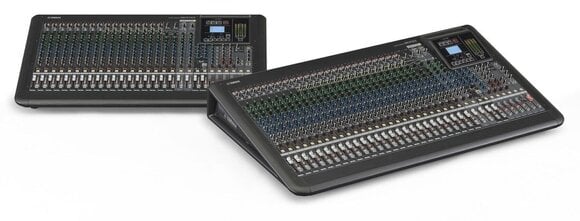

- Anzahl der Kanäle: 32
- Stereo-Eingänge: 4
- Anzahl der Ausgänge: 8
- Anzahl der Eingänge: 32
- Mikrophonkanal-EQ: Grafik
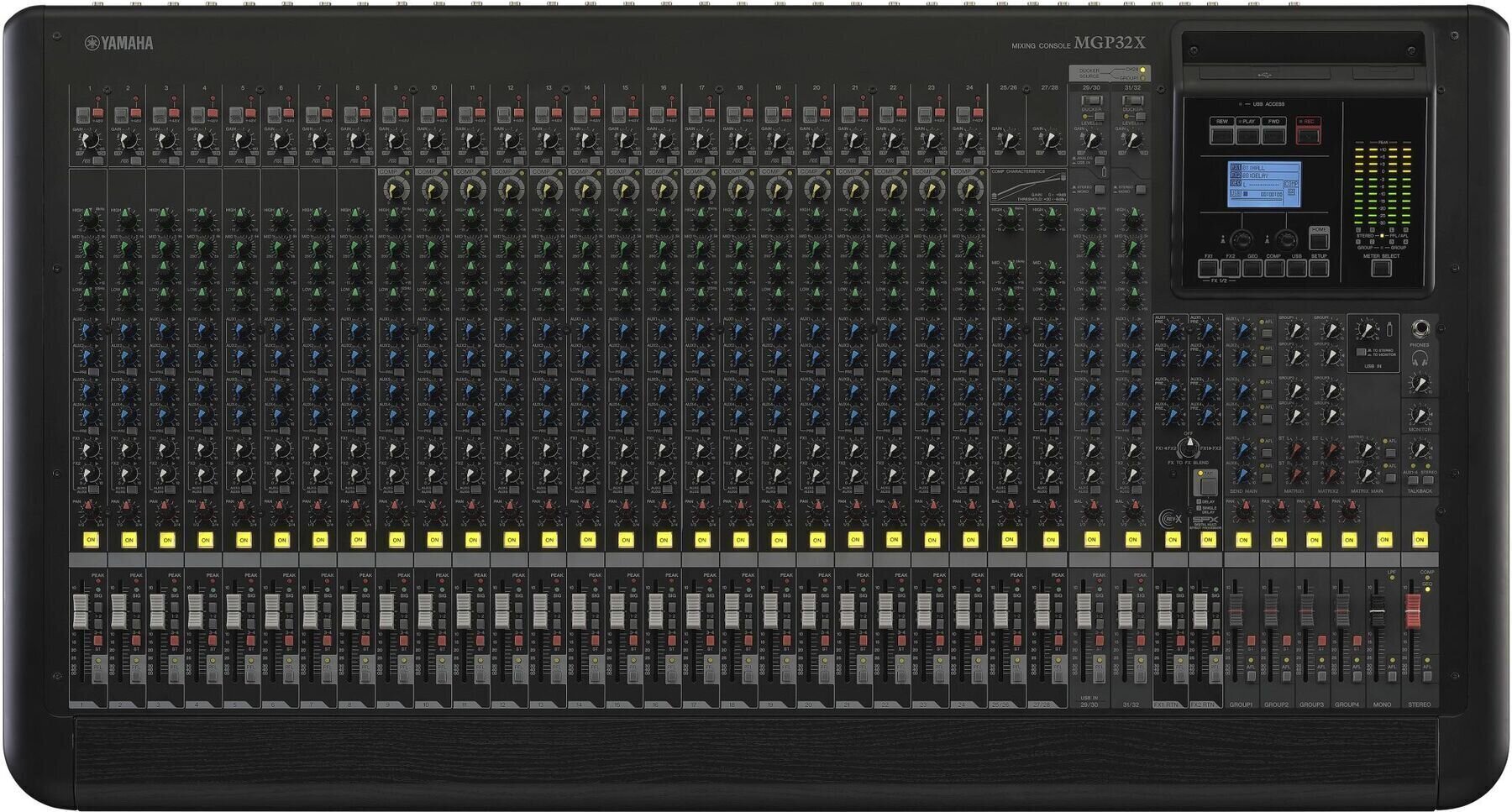
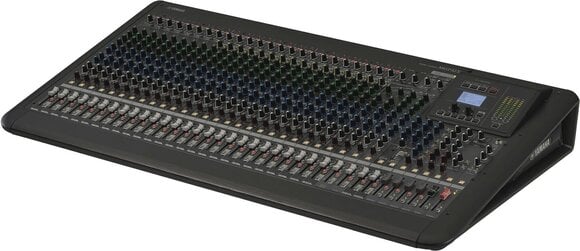
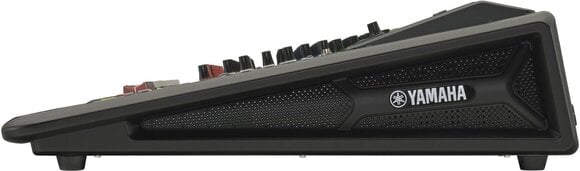
Yamaha MGP32X A Analoges Mischpult
Dies ist eine automatische Übersetzung durch eine Software:
Das MGP32X A wurde für Tournee-Anlagen, Theater und Festinstallationen entwickelt und ist das Großformatmodell der Hybrid-Analogmischpult-Serie von Yamaha. Es verfügt über 32 Line-Eingänge (24 Mono, 4 Stereo) sowie Mikrofoneingänge auf 24 Kanälen, die jeweils mit zuschaltbarer 48-V-Phantomspeisung und einem 100-Hz-Hochpassfilter ausgestattet sind. Class-A-D-PRE-Vorverstärker, X-pressive-EQ und 16 Kanäle mit 1-Knob-Kompression werden durch REV-X- und SPX-Effekte, einen grafischen Master-EQ und einen Multiband-Kompressor ergänzt. Eine integrierte USB-Aufnahme und -Wiedergabe mit zwei Spuren ist ebenfalls vorhanden.
Dies ist eine automatische Übersetzung durch eine Software:
Das MGP32X A ist das Großformatmodell der Hybrid-Analogmischpult-Serie von Yamaha und wurde für Tournee-Anlagen, Theater und Festinstallationen entwickelt, bei denen die Anzahl der Kanäle ebenso wichtig ist wie die Klangqualität. Es verfügt über 32 Line-Eingänge, davon 24 Mono- und 4 Stereo-Eingänge, sowie Mikrofoneingänge auf 24 Kanälen, die jeweils über eine zuschaltbare 48-V-Phantomspeisung und einen 100-Hz-Hochpassfilter verfügen. Die Abmischung erfolgt über einen Stereobus, 4 Gruppenbusse und 6 AUX-Sends, mit 2 Matrixausgängen und Insert-Punkten auf allen 24 Monokanälen für die externe Signalbearbeitung.
Mikrofonvorverstärker
Alle 24 Mikrofoneingänge werden über diskrete Class-A-D-PRE-Vorverstärker mit einer invertierten Darlington-Schaltung verarbeitet, die ein natürliches Tieftonfundament und Headroom für anspruchsvolle Quellen liefern. Der gemessene Rauschpegel erreicht -128 dBu äquivalentes Eingangsrauschen bei -92 dBu Restausgangsrauschen, das Übersprechen liegt bei -74 dB bei 1 kHz und die gesamte harmonische Verzerrung beträgt 0,02 % über den gesamten Audiobereich.
VCM-Entzerrung
Der X-pressive EQ wendet Yamahas Virtual Circuit Modeling auf jeden Kanalzug an und bildet so das klangliche Verhalten analoger Equalizer-Schaltungen nach. Die Frequenzbänder bieten einen Einstellbereich von bis zu 15 dB, mit einem Hochfrequenz-Shelving bei 8 kHz, einem Tieffrequenz-Shelving bei 125 Hz und einem Peak-Mitteltöner, der auf Monokanälen zwischen 250 Hz und 5 kHz schwenkt. Ein 100-Hz-Hochpassfilter mit einer Flankensteilheit von 12 dB/Oktave ist bei jedem Eingang dem Equalizer vorgeschaltet.
1-Knob-Kompressoren
Sechzehn Kanäle, von 9 bis 24, sind mit Yamaha-1-Knob-Kompressoren mit LED-Pegelanzeige ausgestattet. Ein einziger Regler legt die gesamte Kompressionskurve fest, und der Prozessor kann vor oder hinter dem Kanalfader platziert werden, was sich sowohl für die dynamische Steuerung von Gesang als auch für das Pegelmanagement bei gruppierten Quellen eignet.
REV-X- und SPX-Effekte
Zwei Effekt-Engines arbeiten gleichzeitig. FX1 nutzt REV-X, Yamahas hochdichten Hall-Algorithmus, mit 8 Programmen und einstellbaren Parametern. FX2 bietet 16 SPX-Programme, darunter Delay, Chorus, Flanger und weitere Modulationseffekte. Die Sends AUX5 und AUX6 können neu zugewiesen werden, um FX1 und FX2 zu speisen, und der FX-to-FX-Blend leitet den Ausgang einer Engine in die andere um.
Ducker und Leveler
Zwei Stereokanäle durchlaufen einen dedizierten DSP, der eine automatische Pegelsteuerung bietet. Der „Priority Ducker“ erkennt ein Sprachsignal am Prioritäts-Eingang und senkt die Musik darunter ab; nach Ende der Durchsage kehrt der Pegel wieder zum Normalzustand zurück. Der „Leveler“ gleicht die Lautstärke aufeinanderfolgender Wiedergabetitel aus und sorgt so für eine gleichbleibende Lautstärke des Hintergrundmaterials, wenn dieses aus gemischten Quellen stammt.
Grafischer EQ und Kompressor
Die Master-Bus-Bearbeitung umfasst eine grafische Entzerrung mit zwei wählbaren Modi: einen 9-Band-Flex-EQ mit frei positionierbaren Bändern und ein festes 14-Band-Layout. Auf dem Stereobus folgt ein Multiband-Kompressor, der eine separate Steuerung der Dynamik im Tiefton-, Mitten- und Hochtonbereich ermöglicht, bevor das Signal das Mischpult verlässt.
USB-Aufnahme und -Wiedergabe
Auf der Oberseite befindet sich ein USB-Anschluss für die direkte Zweispur-Aufnahme auf ein USB-Speichergerät sowie für die Wiedergabe von WAV- und MP3-Dateien. Es ist weder ein Computer noch ein externes Interface erforderlich, was die Archivierung von Auftritten, die Aufzeichnung von Proben oder die Wiedergabe von Begleitmusik besonders praktisch macht.
Eingänge, Ausgänge und Insert-Buchsen
Alle 24 Monokanäle sowie der Stereoausgang sind mit Insert-Buchsen ausgestattet. Der Stereoausgang, der Monoausgang und die 6 AUX-Sends verwenden symmetrische XLR-Anschlüsse mit einem Nennpegel von +4 dBu und +24 dBu vor dem Clipping, während die Gruppenausgänge, Matrixausgänge und der Monitorausgang impedanzsymmetrische Klinkenbuchsen mit maximal +20 dBu nutzen. Ein Talkback-Mikrofoneingang und ein Kopfhörerausgang mit einer Nennleistung von 75 mW an 40 Ohm sind ebenfalls vorhanden.
Metallgehäuse und Universalnetzteil
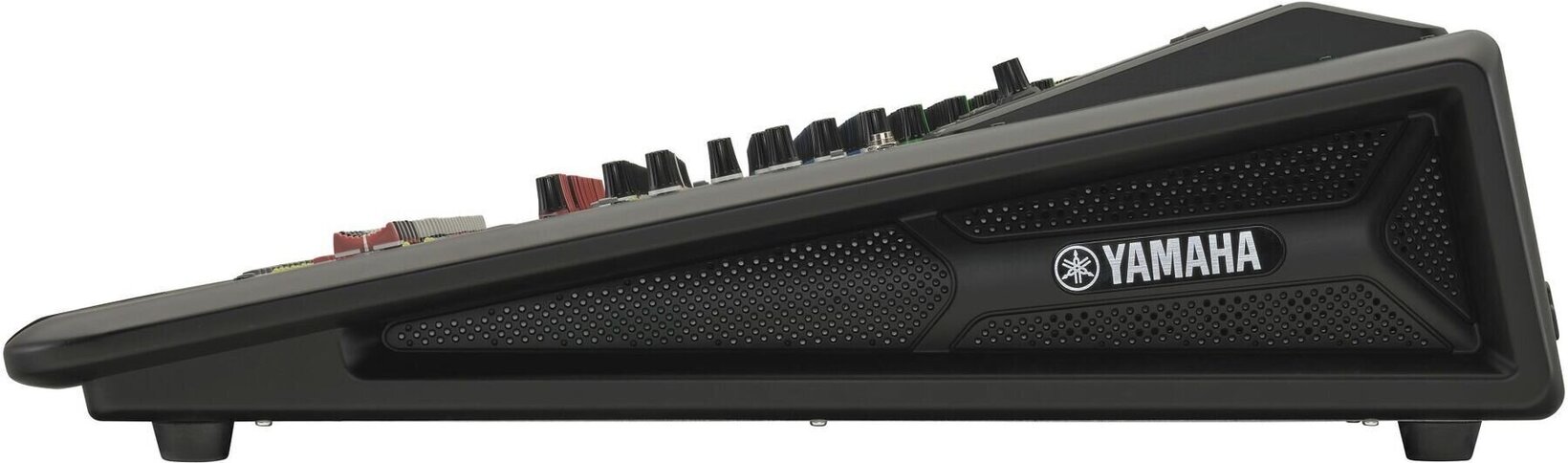
Das Mischpult ist in einem stoßfesten, pulverbeschichteten Metallgehäuse mit den Maßen 1027 x 565 x 169 mm und einem Gewicht von 19 kg untergebracht. Das integrierte Universalnetzteil deckt den Bereich von 100–240 V bei 50/60 Hz mit einer maximalen Leistungsaufnahme von 86 W ab, sodass das Mischpult weltweit zuverlässig betrieben werden kann, auch an Orten mit instabiler Netzspannung.

Eingebaute effekte: Ja
Das Produkt verfügt über integrierte Effekte, mit denen Sie den Klang sofort anpassen und verbessern können, ohne dass eine externe Verarbeitung erforderlich ist.
Phantomspeisung: Ja
Phantomspeisung liefert die nötige Spannung für Kondensatormikrofone, die für den ordnungsgemäßen Betrieb eine externe Stromquelle benötigen. Diese Stromversorgung ist direkt in den Mikrofoneingang eingebaut, sodass keine zusätzlichen Netzteile erforderlich sind.

Typ
Anzahl der Kanäle
Schnittstelle
Anzahl der Ausgänge
Anzahl der Eingänge
Anzahl der Subgruppen
Phantomspeisung
Bluetooth
Rack-einbaufähig
Stereo-Eingänge
Analoge Eingänge
Analoge Ausgänge
USB
MP3 / Line In
Mikrophonkanal-EQ
Stromversorgung
100V - 240V
Batteriebetrieb möglich
Nein
Tiefe (cm)
56.5
Breite (cm)
102.7
Höhe (cm)
16.9
Nettogewicht (kg)
19
Gewicht
19 kg
Hergestellt in
China


Dokumente
Gebrauchsanweisungen
Sicherheitshinweise
Die entsprechenden Sicherheitshinweise für dieses Produkt findest du im Benutzerhandbuch.


